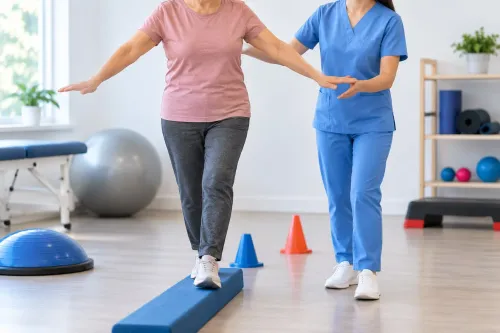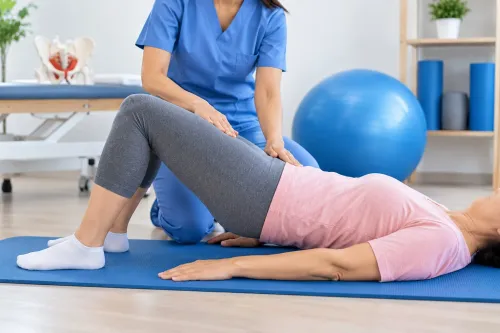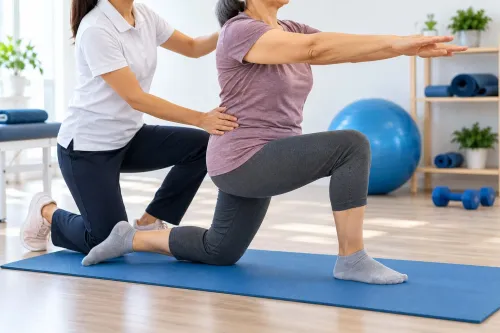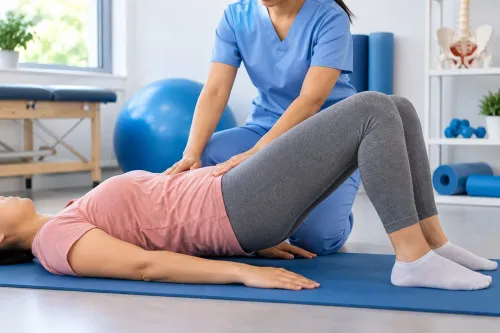
Pain from a muscle or joint problem can be frustrating when it keeps returning despite rest, massage, pain-relieving gels, or temporary changes in activity. At this stage, many patients begin wondering whether physiotherapy would address the problem more systematically.
Orthopedic physiotherapy focuses on musculoskeletal conditions affecting joints, muscles, tendons, ligaments, and movement.
For people in Ghantali, Maharashtra, deciding whether physiotherapy is appropriate often depends less on how painful the condition feels and more on how it affects movement and everyday function.
Temporary discomfort and ongoing movement problems are different
Some minor aches improve naturally within a short period.
Physiotherapy becomes more relevant when symptoms repeatedly interfere with activities such as:
- Walking
- Sitting at work
- Climbing stairs
- Lifting
- Reaching overhead
- Exercising
- Sleeping comfortably
- Performing household activities
Recurring stiffness can also be important even when pain is relatively mild.
Restricted movement may change the way other parts of the body compensate during everyday tasks.
What orthopedic physiotherapy looks beyond pain
Pain location does not always explain the complete problem.
For example, knee discomfort may be influenced by weakness around the hip. Shoulder pain may be associated with reduced shoulder-blade control. Lower-back symptoms may become more noticeable when trunk endurance is poor.
A physiotherapy assessment may therefore evaluate:
- Joint mobility
- Muscle strength
- Flexibility
- Movement control
- Balance
- Functional activities
- Posture
- Occupational demands
This wider assessment helps guide treatment more precisely.
Physiotherapy differs from symptom-only management
Heat, ice, massage, and pain-relieving measures can sometimes make symptoms feel better temporarily.
Orthopedic rehabilitation generally aims to go further by improving physical capacity.
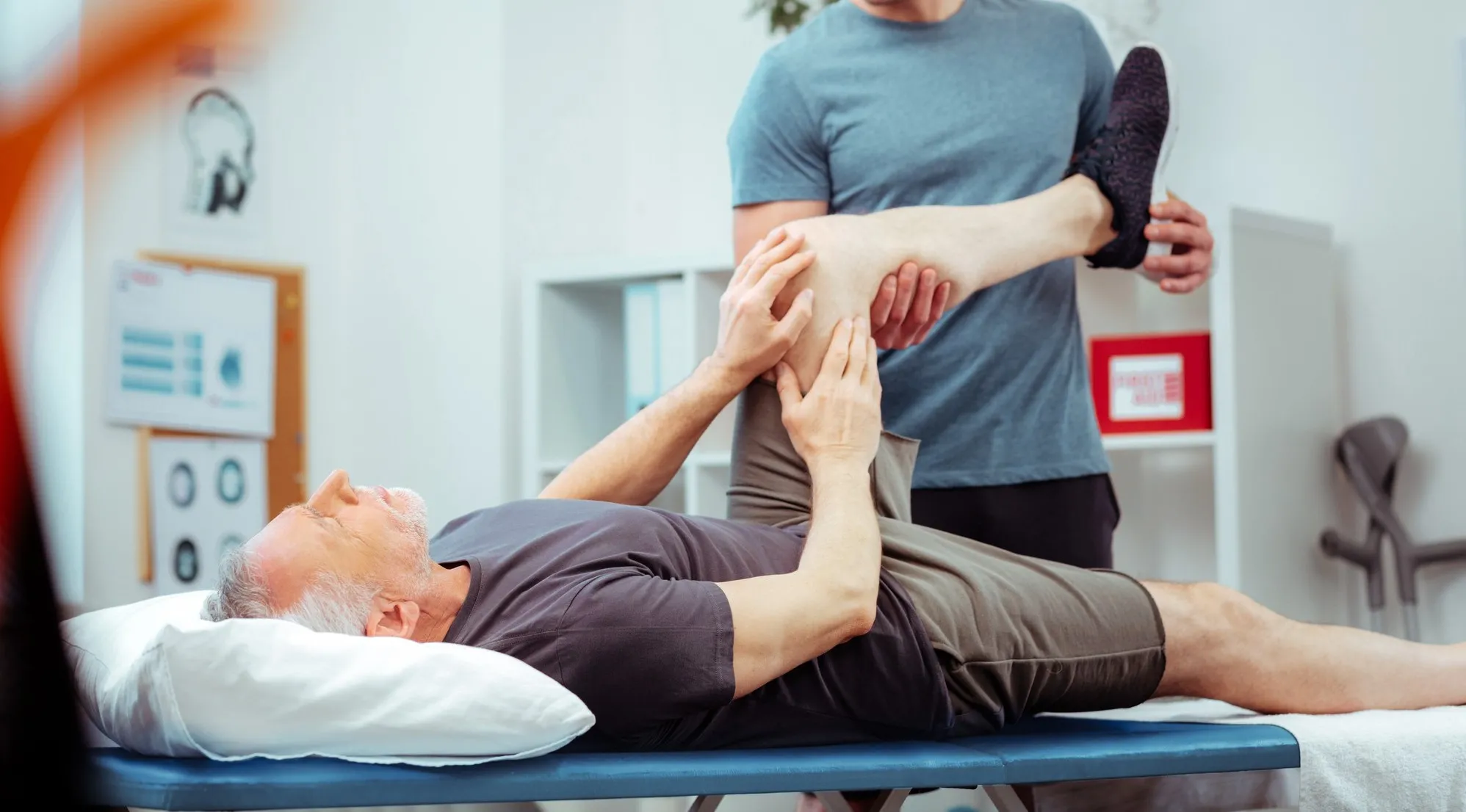
Treatment may include exercises that strengthen muscles, restore movement, improve coordination, and prepare the body for progressively greater activity.
Education is another important component.
Understanding which movements are safe, how much activity is appropriate, and how to progress exercise can reduce unnecessary fear around movement.
When supervised rehabilitation may be useful
A structured physiotherapy programme may be worth considering when:
- Symptoms have persisted beyond the expected recovery period
- Pain returns whenever activity increases
- Movement remains restricted
- Weakness affects normal activities
- Previous injuries continue to limit function
- Work tasks repeatedly trigger discomfort
- You are unsure how to return safely to exercise
Patients recovering after periods of immobilisation may also benefit from professional progression rather than abruptly returning to previous activity levels.
What treatment should ideally include
Good orthopedic rehabilitation should not consist only of passive treatment.
Passive techniques may sometimes be used, but patients generally need an active component that improves their ability to manage physical demands independently.
At N V Physiotherapy clinic, physiotherapy planning can be based on assessment findings, individual limitations, activity requirements, and meaningful rehabilitation goals.
Progress can then be tracked through changes in movement, strength, endurance, and functional ability rather than pain scores alone.
Choosing between rest and rehabilitation
Complete rest may initially be appropriate after certain injuries, but prolonged avoidance of movement can sometimes reduce strength and confidence.
At the same time, ignoring pain and repeatedly pushing through aggravating activities may also delay progress.
The more useful approach is often graded activity.
This means adjusting the intensity and amount of movement so that the body can adapt progressively.
Someone with shoulder pain, for example, may initially reduce heavy overhead activity while continuing suitable mobility and strengthening exercises.
Orthopedic physiotherapy can therefore be valuable when the problem is not simply pain, but difficulty restoring normal movement and physical capacity.
The broader goal is to help patients move more comfortably, understand their condition, rebuild strength, and return to everyday activities with greater confidence.
Keywords