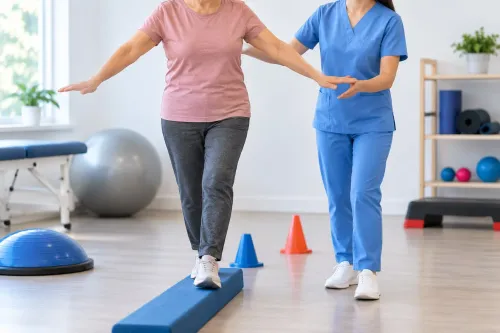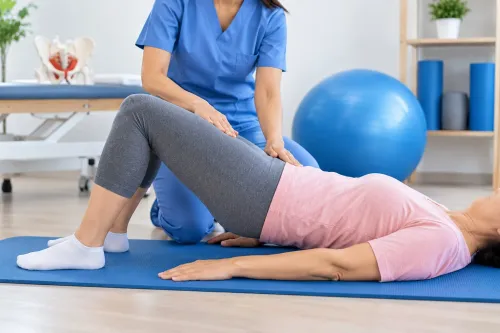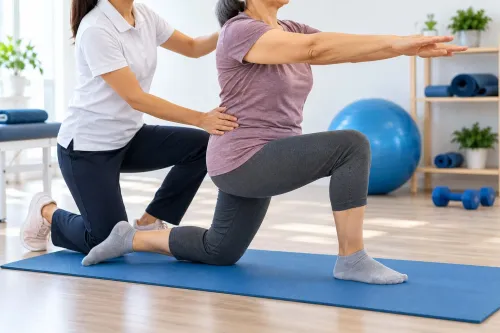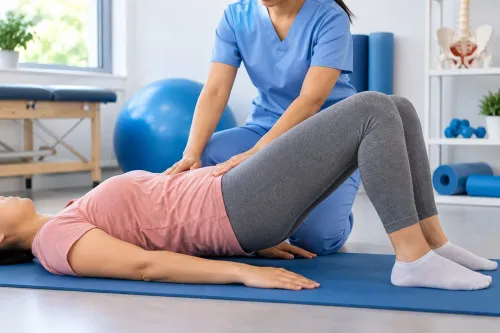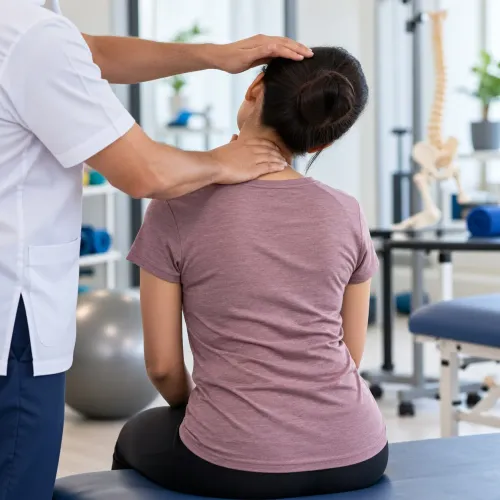
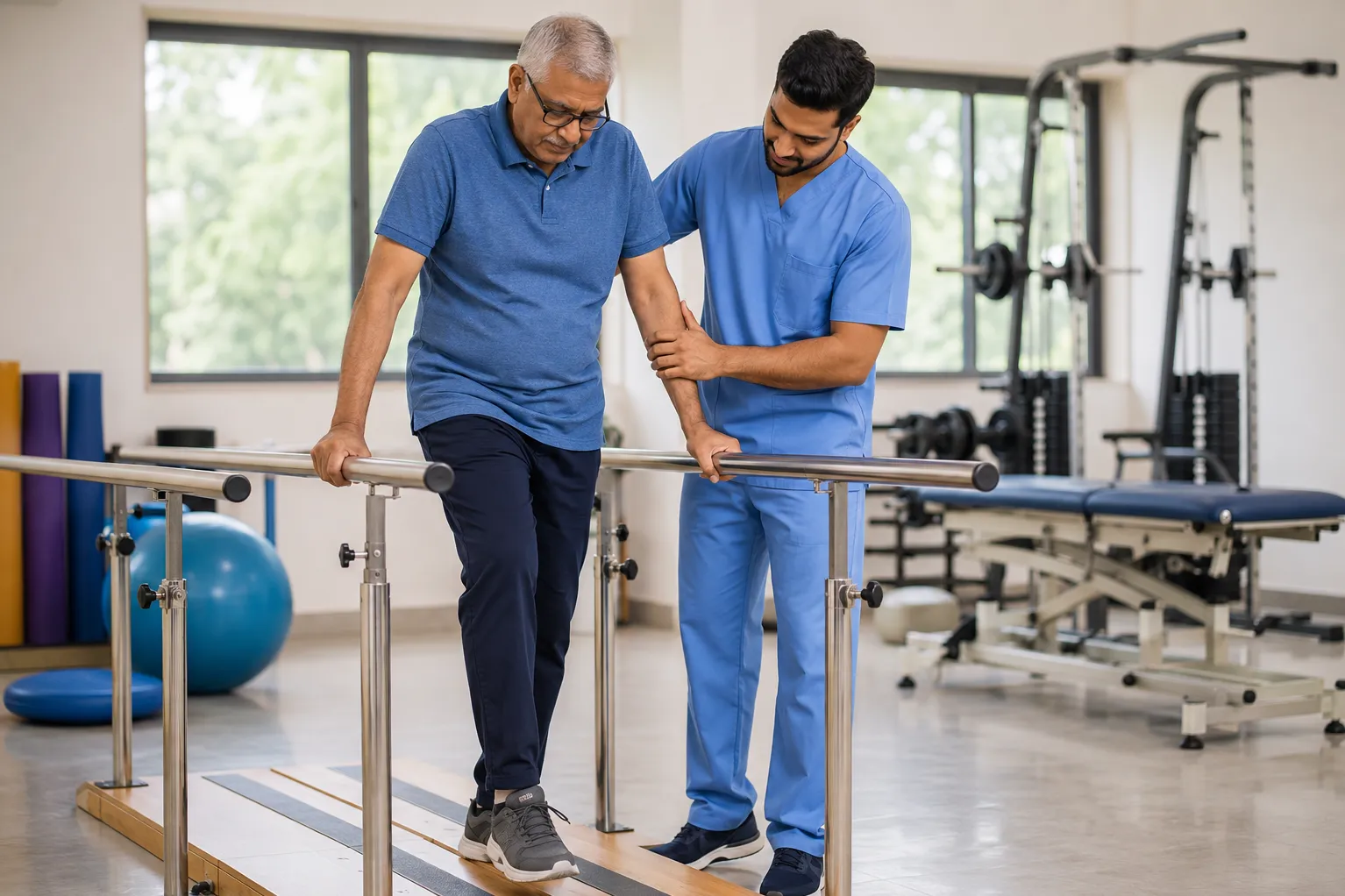
Surgery may correct a structural problem, but the procedure itself is only one stage of recovery. Strength, movement, endurance, confidence, and functional ability often need to be rebuilt gradually before a person feels comfortable returning to everyday activities.
This is where pre and post surgery rehabilitation becomes valuable.
Patients near Panchpakhadi, Maharashtra, preparing for orthopedic procedures can benefit from understanding that rehabilitation may begin even before the operation takes place.
Why rehabilitation before surgery can matter
Pre-surgical physiotherapy is sometimes called prehabilitation.
Its purpose is to prepare the body for the physical demands that may follow surgery.
Depending on the procedure and medical guidance, rehabilitation before surgery may work on:
- Joint mobility
- Muscle strength
- Walking ability
- Exercise tolerance
- Breathing exercises
- Understanding post-operative precautions
- Learning to use walking aids when required
A patient who already understands the expected exercises and movement precautions may feel better prepared during the early recovery stage.
Prehabilitation can also establish useful baseline measurements. These provide a reference point for monitoring progress after surgery.
Recovery changes after the procedure
Immediately after surgery, the priorities may be quite different from those later in rehabilitation.
Early treatment may focus on safe movement, swelling management, gentle mobility, and preventing unnecessary stiffness.
As healing progresses, rehabilitation usually shifts toward strength and function.
A simplified progression may involve:
- Protecting healing tissues
- Restoring comfortable movement
- Rebuilding muscle control
- Increasing strength
- Improving walking and functional tasks
- Returning to work, recreation, and suitable exercise
The exact pace varies considerably between patients.
Why doing too much too soon can be counterproductive
Patients are understandably eager to regain independence after surgery. However, trying to accelerate every stage may overload healing tissues.
The opposite approach can create difficulties too. Excessive inactivity may contribute to stiffness, reduced muscle strength, and loss of confidence.
Good rehabilitation finds the appropriate level between these extremes.
The physiotherapist considers surgical instructions, tissue healing, pain response, swelling, movement quality, and functional goals before progressing exercises.
Rehabilitation should connect with everyday life
Exercise numbers alone do not define successful rehabilitation.
Treatment should eventually prepare patients for the activities they actually need to perform.
For one person, priorities may include:
- Climbing stairs
- Returning to desk work
- Walking independently
- Driving
- Performing household activities
Someone else may need higher-level strength and mobility before returning to physically demanding work.
A tailored programme therefore becomes increasingly functional as recovery advances.
Communication helps keep recovery coordinated
Post-surgical rehabilitation works best when the physiotherapy programme respects the surgeon's recommendations and procedure-specific precautions.
Patients should understand which movements are encouraged, which activities remain restricted, and how exercises will progress.
N V Physiotherapy clinic can support structured rehabilitation based on individual surgical history, current physical capacity, and functional requirements.
Recovery is rarely perfectly linear
Patients sometimes become concerned when one day feels more uncomfortable than the previous one.
Short-term fluctuations in stiffness, fatigue, and soreness can occur as activity increases. Progress is therefore better assessed over time rather than based on a single exercise session.
Useful indicators may include:
- Improved movement
- Greater walking tolerance
- Better muscle strength
- Easier transfers
- Reduced dependence on support
- Improved confidence during daily activities
The objective of surgical rehabilitation is not merely completing exercises. It is helping the patient rebuild the physical capacity needed for everyday life while respecting healing timelines and medical precautions.
Keywords