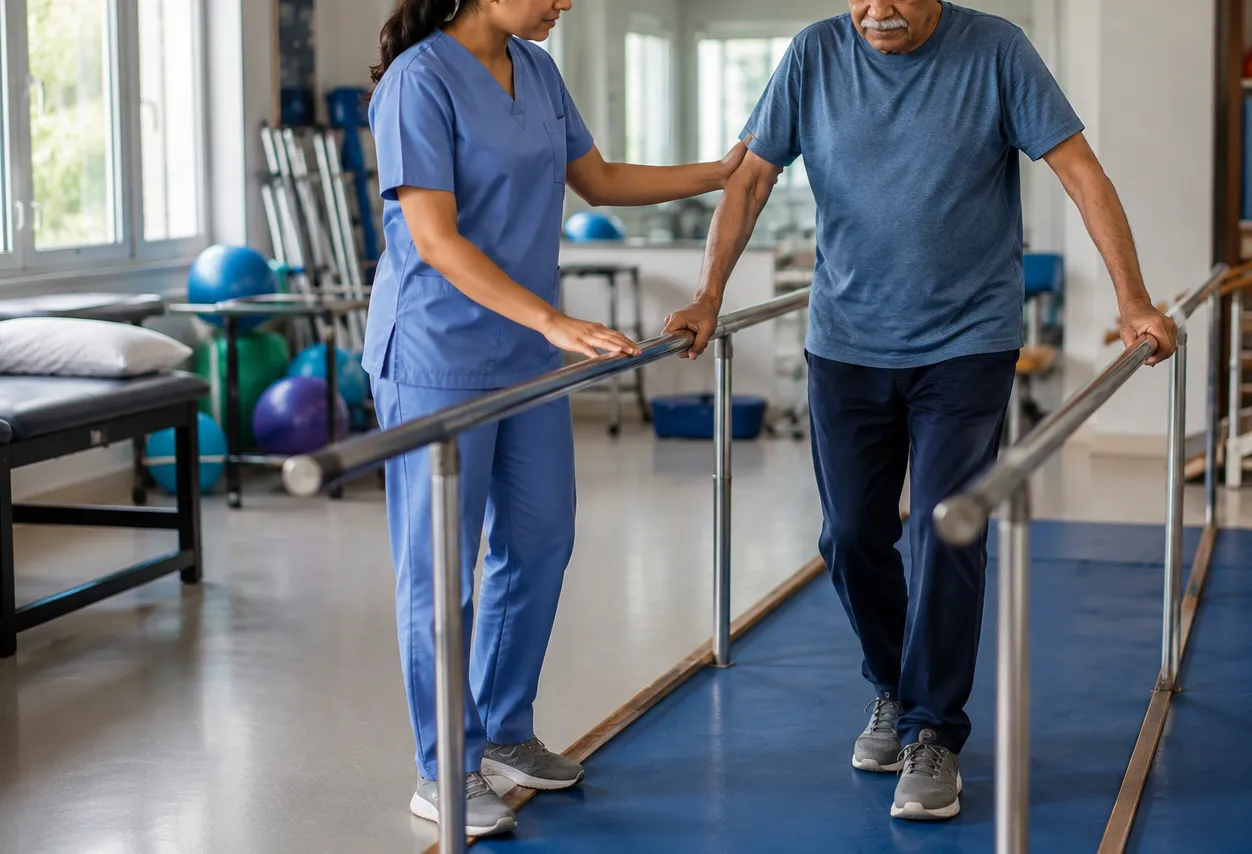
Walking is something many people take for granted until injury, surgery, neurological illness, ageing, or prolonged inactivity makes it difficult. Gait training is a physiotherapy approach designed to improve walking ability by addressing the specific factors affecting a person's movement pattern.
Patients in Naupada may require gait rehabilitation after fractures, joint surgery, neurological conditions, trauma, or periods of reduced mobility.
N V Physiotherapy Clinic provides assessment-based physiotherapy for patients who need help rebuilding functional movement and walking confidence.
What Is Evaluated During Gait Assessment
Walking involves much more than moving one foot in front of the other.
A physiotherapist may observe:
- Step length
- Walking speed
- Foot placement
- Balance
- Weight transfer
- Joint movement
- Muscle control
- Use of walking aids
- Ability to turn and change direction
The purpose is to identify why walking is difficult rather than simply telling the patient to walk more.
Weakness Can Change the Walking Pattern
Muscle weakness after surgery, injury, or prolonged inactivity can cause compensatory movement.
For example, a person may place less weight on one leg, shorten steps, lean the trunk, or rely heavily on a walking aid.
Strengthening the relevant muscle groups can form part of gait rehabilitation when weakness is contributing to the problem.
Balance Is Equally Important
A patient may have adequate leg strength but still struggle to walk because of poor balance.
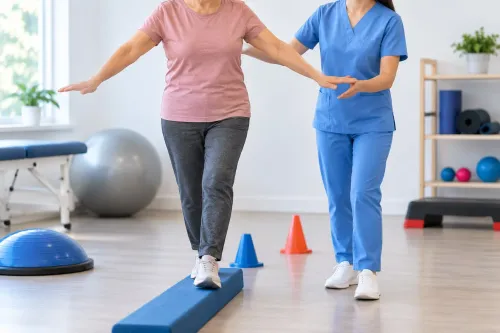
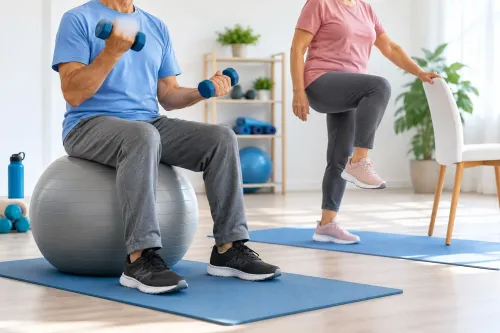
In these situations, gait training may include standing balance, controlled weight shifting, turning practice, obstacle negotiation, and other functional exercises.
Progression depends on safety and individual ability.
Walking Aids Need Appropriate Use
Canes, walkers, and other mobility aids can provide valuable support, but they need to be used correctly.
Incorrect height or technique can make walking unnecessarily difficult.
A physiotherapist can assess whether an aid is appropriate and teach the patient how to use it during walking, turning, and other activities.
Rehabilitation After Surgery and Fractures
Walking recovery after orthopaedic surgery or a fracture depends on the procedure, healing stage, weight-bearing instructions, pain, strength, and joint mobility.
Rehabilitation should respect medical restrictions while gradually restoring function.
Trying to progress too quickly can be counterproductive, while excessive fear of movement can also delay functional recovery.
Neurological Gait Rehabilitation
Neurological conditions can affect coordination, muscle activation, balance, and movement control.
In these cases, gait rehabilitation may require repeated task-specific practice combined with strengthening, balance training, and other neurological rehabilitation strategies.
The programme needs to reflect the person's diagnosis and current functional ability.
Walking independently is often one of the most meaningful rehabilitation goals because it influences access to work, social activities, household tasks, and community participation.
When a patient is limping, frequently losing balance, depending increasingly on support, or struggling to return to walking after injury or surgery, gait assessment can identify the factors that need targeted rehabilitation.
Keywords