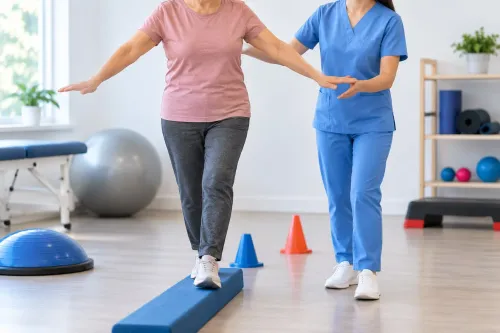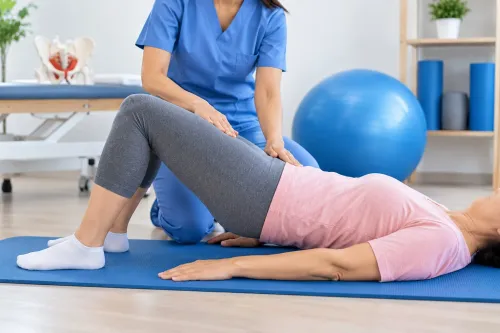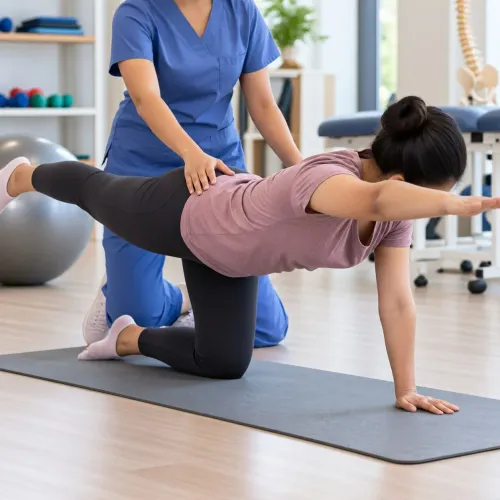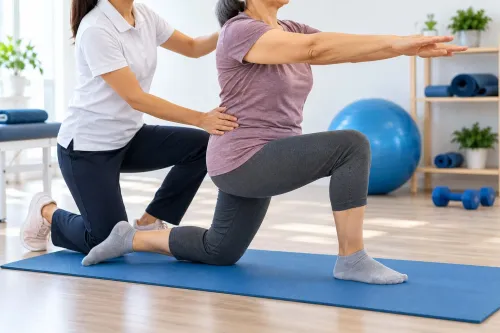
Knee pain can affect people at almost every stage of life. It may develop after a sports injury, ligament problem, fracture, surgery, arthritis, sudden increase in exercise, or gradual changes in joint function. When symptoms begin limiting stairs, walking, sitting, standing, or exercise, knee pain physiotherapy may form an important part of rehabilitation.
For patients in Thane West, choosing physiotherapy should begin with understanding the nature of the problem and the activities that have become difficult.
N V Physiotherapy Clinic provides physiotherapy assessment for different musculoskeletal and rehabilitation needs, including knee-related movement limitations.
Persistent Pain During Daily Activities
Occasional mild discomfort after unfamiliar activity may settle with appropriate recovery. Persistent pain that repeatedly interferes with everyday movement deserves closer attention.
Common difficulties include:
- Pain while climbing stairs
- Difficulty getting up from a chair
- Reduced walking tolerance
- Discomfort after prolonged sitting
- Pain during squatting
- Difficulty returning to sport
These limitations can help guide the rehabilitation assessment.
Weakness Around the Knee
The knee relies on muscles around the thigh, hip, calf, and trunk for effective movement control.
Weakness can become particularly noticeable after injury, surgery, or prolonged reduction in activity.
Physiotherapy may include progressive strengthening based on the patient's current capacity and diagnosis.
Reduced Knee Movement
Swelling, pain, surgery, and immobilisation can affect knee mobility.
Difficulty fully bending or straightening the knee can change walking and make stairs more challenging.
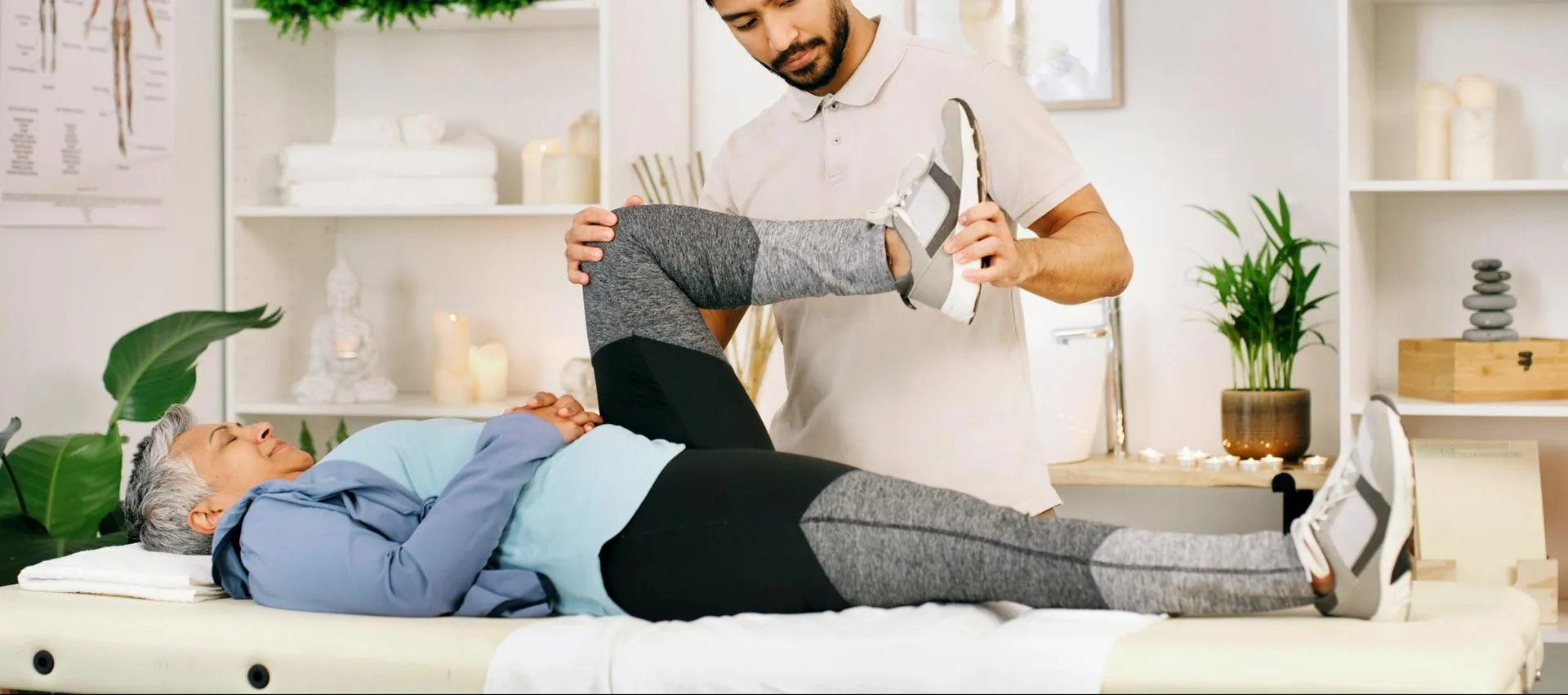
Rehabilitation may include appropriate mobility exercises alongside strengthening and functional training.
Problems Following Sports Injuries
Sports professionals and fitness enthusiasts may require rehabilitation after ligament, meniscal, muscle, or other knee injuries.
Returning to sport requires more than the absence of pain during normal walking.
Later rehabilitation may assess strength, balance, control, running tolerance, jumping, landing, and sport-specific movement when appropriate.
The progression should reflect the injury and the demands of the activity.
Knee Pain Associated With Arthritis
People with knee arthritis may avoid movement because they fear that activity will worsen joint damage.
Exercise selection needs to account for symptoms and physical capacity, but appropriate strengthening and activity can remain important components of conservative management.
A physiotherapist can help identify tolerable exercises and progress them according to response.
Recovery After Surgery
Post-surgical rehabilitation depends on the specific procedure and instructions from the treating surgical team.
Physiotherapy may focus on swelling management, restoring movement, rebuilding strength, improving walking, and progressively returning to functional activities.
Following the appropriate recovery timeline is important.
When an Assessment Becomes Important
Knee pain accompanied by major trauma, severe swelling, inability to bear weight, significant instability, locking, fever, or other concerning symptoms may require further medical assessment.
For suitable musculoskeletal problems, physiotherapy can help identify limitations in strength, mobility, balance, and movement control.
Choosing knee pain physiotherapy becomes particularly relevant when symptoms continue affecting work, exercise, walking, stairs, or everyday independence. A structured rehabilitation plan can then focus on the specific movements the patient needs to regain rather than relying on generic knee exercises.
Keywords