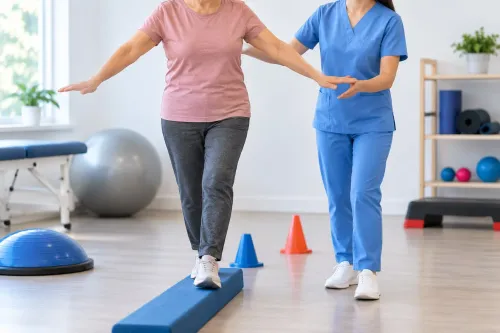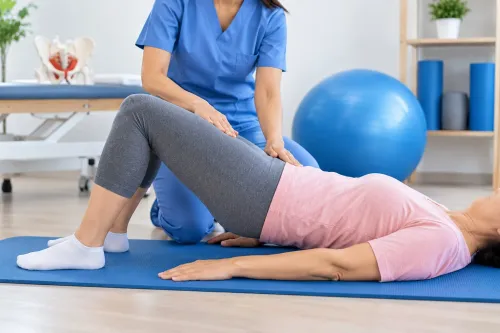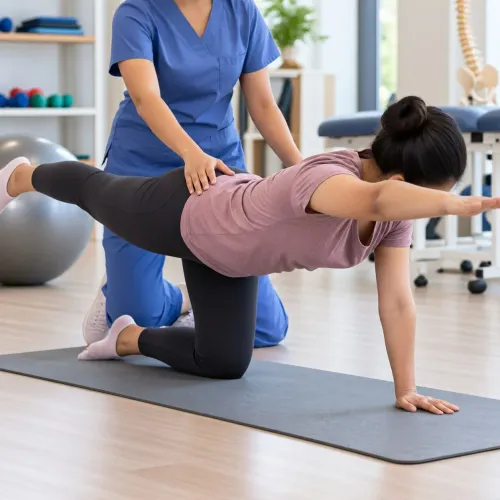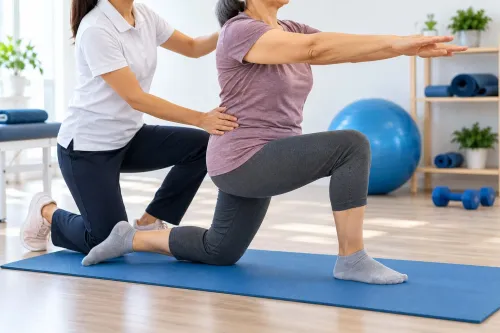
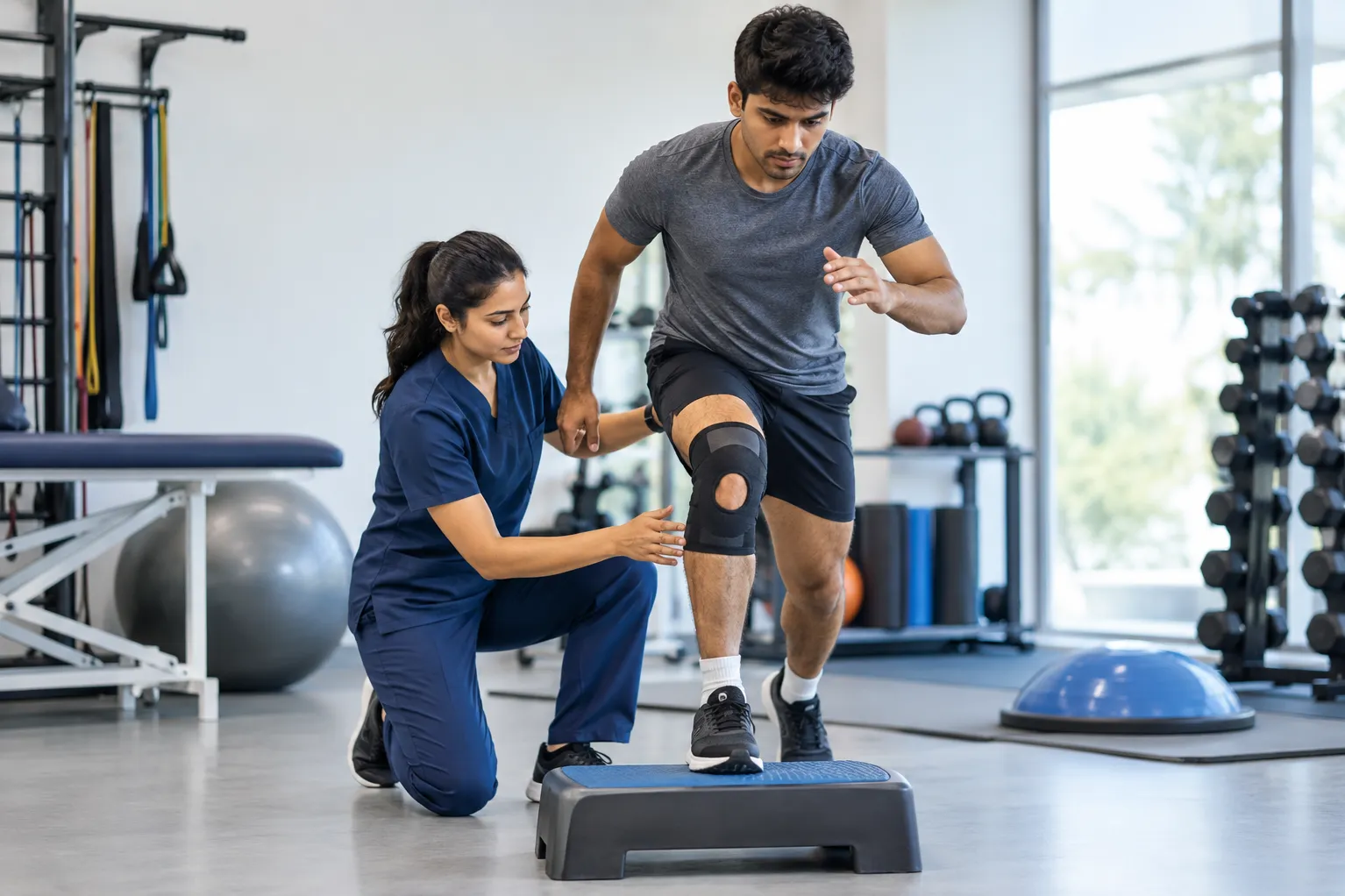
Getting through the painful stage of a sports injury does not automatically mean the body is ready for training again. An athlete may be able to walk comfortably yet still lack the strength, stability, speed, or movement control required by sport.
That gap is where Sports rehabilitation becomes important.
For recreational athletes and active individuals in Naupada, Maharashtra, rehabilitation can provide a structured pathway between injury recovery and unrestricted participation.
Pain-free movement is only one milestone
Many athletes judge recovery based on whether pain has disappeared.
Pain improvement is encouraging, but sport places much greater demands on the body than normal walking.
Depending on the activity, an athlete may need to tolerate:
- Running
- Jumping
- Landing
- Rapid direction changes
- Repeated acceleration
- Sudden stopping
- Overhead movements
- Contact
- Fatigue
Returning before these abilities have been rebuilt may leave the athlete underprepared.
Rehabilitation and general exercise have different purposes
General exercise improves overall fitness.
Sports rehabilitation is more specific.
The programme is designed around the injured tissue, physical deficits, stage of healing, and demands of the athlete's activity.
Someone returning to badminton may need lateral movement and rapid directional control. A runner may require progressive impact tolerance. A cricket player with a shoulder problem may need gradual throwing preparation.
The exercises therefore become increasingly specific as recovery progresses.
What should be tested before return
A useful return-to-sport decision considers several factors rather than relying on time alone.
Depending on the injury, clinicians may evaluate:
- Strength
- Joint mobility
- Balance
- Limb control
- Endurance
- Running tolerance
- Jumping ability
- Landing mechanics
- Confidence during movement
Comparison between the injured and unaffected sides can sometimes provide useful information, although sporting demands must also be considered.
Why graded progression matters
One of the most common problems during sports recovery is increasing training volume too rapidly.
An athlete may feel comfortable during one session and immediately return to their full routine.
Tissues that have recently recovered may not yet be ready for this sudden increase in load.
A better progression may involve:
- Controlled strengthening
- Basic movement drills
- Running preparation
- Sport-related drills
- Higher-speed movements
- Controlled practice
- Full training exposure
The exact stages depend on the injury and sport.
Training quality matters as much as exercise quantity
Doing more exercises is not necessarily better.
The quality of movement should remain a priority.
Poor control during landing, cutting, jumping, or overhead activity can become more obvious when fatigue develops.
A physiotherapist can observe these patterns and adjust the programme accordingly.
At N V Physiotherapy clinic, sports rehabilitation can be planned around the athlete's present capacity and the physical requirements of the activity they intend to resume.
The return to sport should be a process
There is an important difference between returning to participation and returning to previous performance.
An athlete may initially rejoin selected parts of training before being ready for full intensity.
Gradually increasing practice duration, movement complexity, and competitive exposure gives the body time to adapt.
Confidence also matters.
Athletes recovering from injury may hesitate during movements that previously caused pain. Repeated exposure to controlled sport-specific tasks can help rebuild trust in the injured area.
Effective rehabilitation therefore asks a more useful question than simply whether an injury feels better.
It asks whether the athlete has recovered enough strength, control, endurance, and movement capacity to meet the real demands of sport safely and confidently.
Keywords