A fracture may heal on an X-ray before the affected limb feels completely normal. Immobilisation, reduced activity, swelling, and muscle loss can leave patients with stiffness and weakness even after the bone has become stable enough for movement.
Fracture rehabilitation focuses on restoring the abilities that may have been lost during the healing period.
For patients in Thane West, Maharashtra, rehabilitation may be useful after fractures affecting the wrist, elbow, shoulder, ankle, knee region, hip, and other areas where immobilisation has reduced normal movement.
Why stiffness develops after a fracture
Splints, casts, braces, and reduced weight bearing may be essential while a fracture heals.
However, the surrounding muscles and joints are used less during this period.
When immobilisation ends, patients may notice:
- Joint stiffness
- Muscle weakness
- Swelling
- Reduced grip strength
- Difficulty walking
- Poor coordination
- Reduced confidence using the injured limb
These changes do not necessarily mean that healing has gone badly. They are often part of the recovery process after a period of protection.
Rehabilitation depends on the fracture stage
Physiotherapy must respect the healing status of the bone.
The programme used immediately after immobilisation will usually look different from the exercises performed several weeks later.
Early rehabilitation may involve gentle movement within permitted limits, swelling management, and activation of weakened muscles.
As healing progresses, exercises may become more demanding.
Strength, coordination, balance, and functional loading can then be introduced according to medical clearance and patient tolerance.
Restoring movement takes patience
A stiff joint can tempt patients to force movement aggressively. Greater intensity, however, does not always produce faster results.
Movement should usually be progressed in a controlled way.
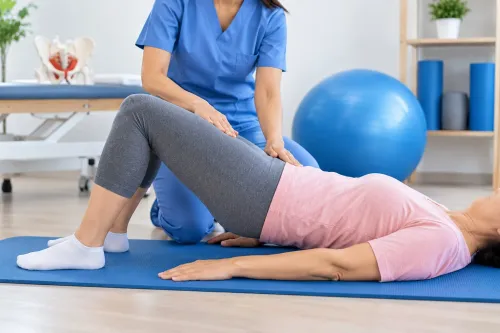
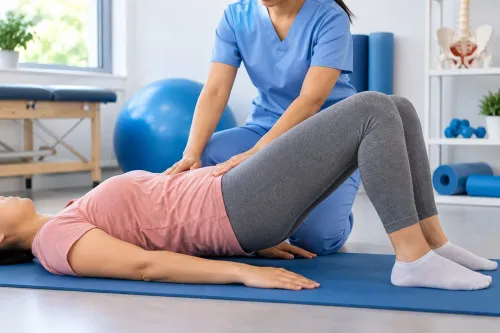
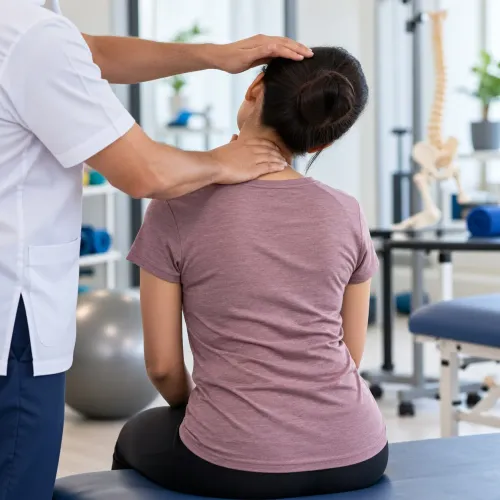
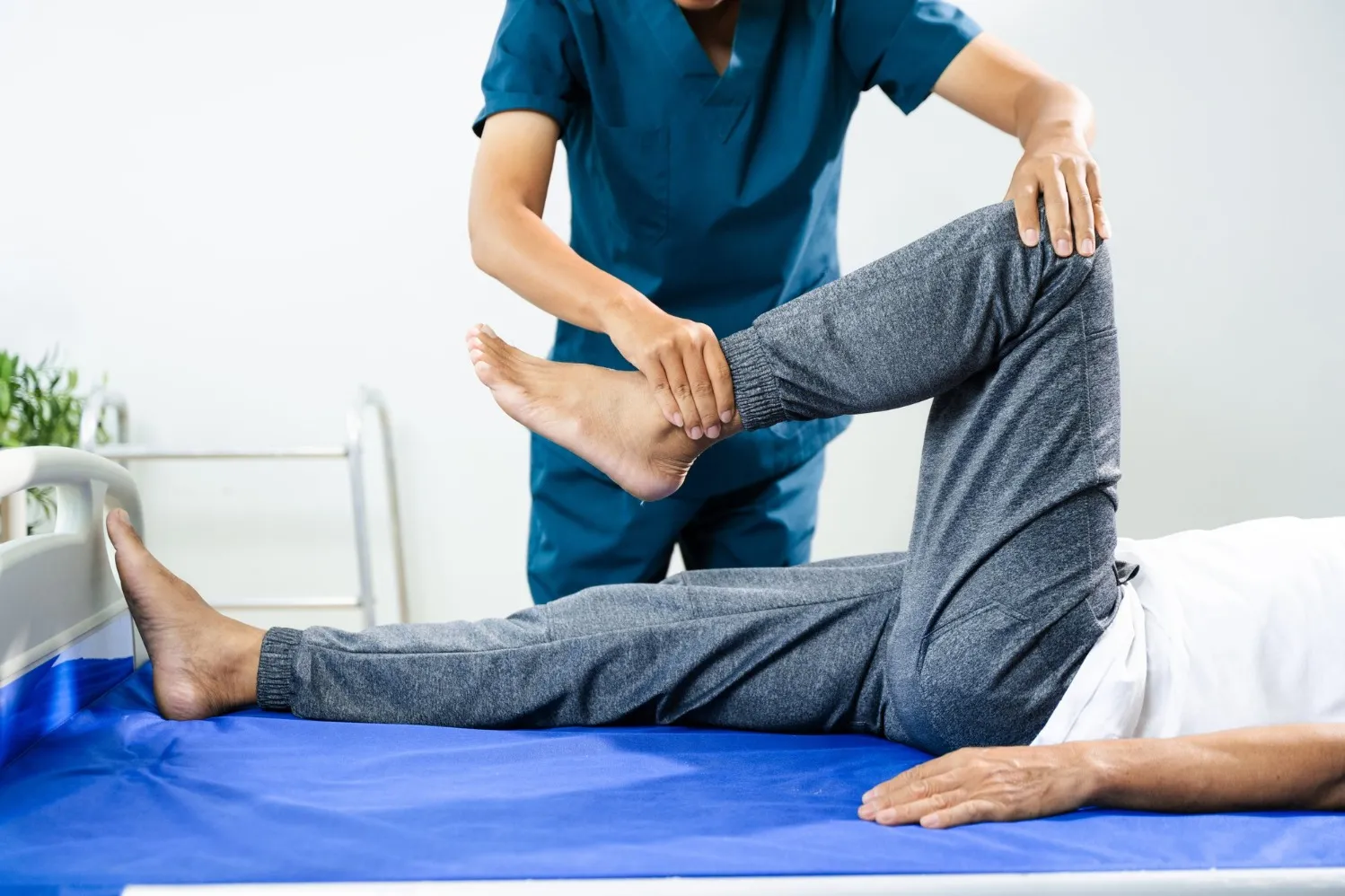
Physiotherapy may use active exercises, assisted movement, targeted stretching, and hands-on techniques when appropriate.
The aim is to gradually improve usable movement without unnecessarily irritating healing tissues.
Muscle strength needs to be rebuilt
Even a few weeks of reduced activity can lead to noticeable weakness.
After lower-limb fractures, this may show up as difficulty standing from a chair, climbing steps, walking quickly, or maintaining balance.
Following upper-limb fractures, patients may struggle with lifting, carrying, gripping, dressing, and household tasks.
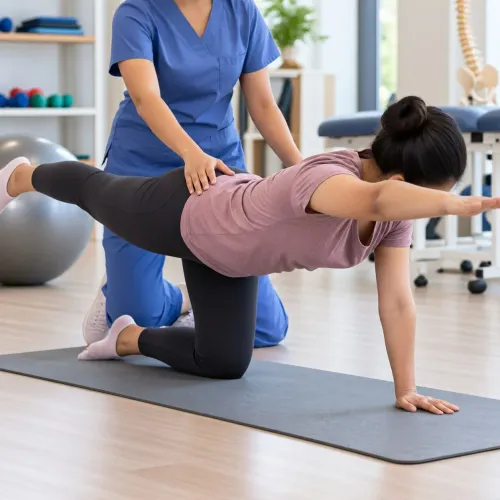
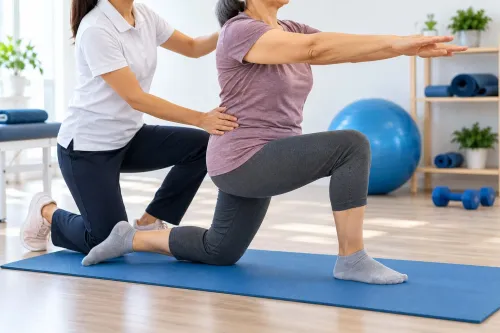
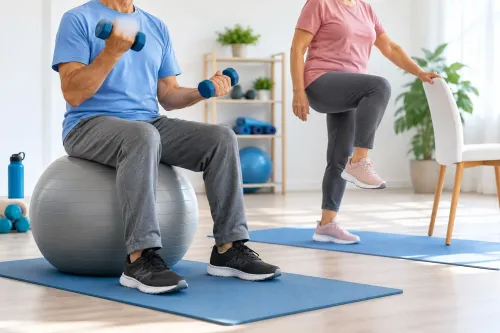
Strengthening generally begins at a suitable level and progresses as control improves.
N V Physiotherapy clinic can structure rehabilitation around the affected area, duration of immobilisation, medical precautions, and the patient's normal daily activities.
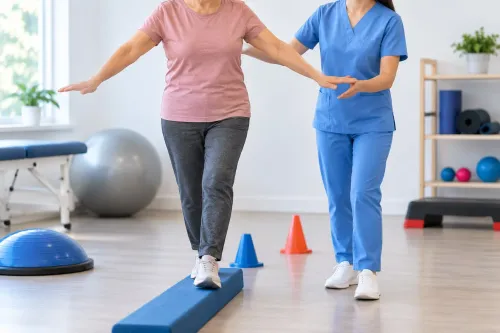
Walking may need specific retraining
Patients recovering from leg fractures sometimes continue limping even after they are allowed to bear more weight.
This can happen because of weakness, stiffness, pain anticipation, or habits developed while using crutches.
Walking practice may therefore be an important part of rehabilitation.
A physiotherapist can assess:
- Weight distribution
- Step length
- Joint movement during walking
- Balance
- Use of walking aids
The aim is to gradually restore a more comfortable and efficient walking pattern.
Functional recovery goes beyond bone healing
Being told that a fracture has healed can be reassuring, but functional recovery may continue afterward.
Patients may still need time before they can comfortably return to work, exercise, driving, household responsibilities, and recreational activities.
The later stages of rehabilitation should prepare the injured area for these real-life demands.
For an office worker, this might involve improving wrist endurance after a hand fracture. For an active adult recovering from an ankle fracture, the programme may eventually include balance drills, calf strengthening, and progressive walking.
Fracture rehabilitation therefore bridges the gap between biological healing and practical recovery, helping patients rebuild movement, strength, coordination, and confidence at a pace suited to their condition.
Keywords