Healthy bones provide the foundation for movement, but bone health is closely connected with muscle strength, joint mobility, balance, posture, and everyday activity. When weakness, stiffness, previous fractures, or age-related changes begin affecting mobility, a bone health specialist approach to physiotherapy can help identify functional problems and develop an appropriate rehabilitation programme.
For people in Ghantali dealing with reduced mobility or difficulty returning to normal activity, physiotherapy can provide structured guidance based on individual physical abilities. N V Physiotherapy Clinic supports patients through assessment-based rehabilitation focused on movement, strength, balance, and functional independence.
Why Bone Health and Movement Are Closely Connected
Bones do not function independently. Muscles generate movement, joints allow mobility, and balance helps the body manage everyday physical demands safely.
Reduced physical activity can contribute to muscle weakness and decreased confidence in movement. This may become particularly noticeable among senior citizens, people recovering from fractures, post-menopausal women, and patients who have avoided activity because of pain.
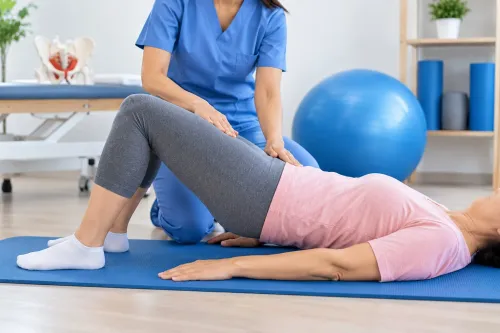
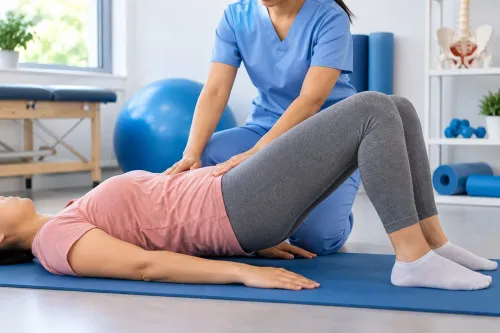
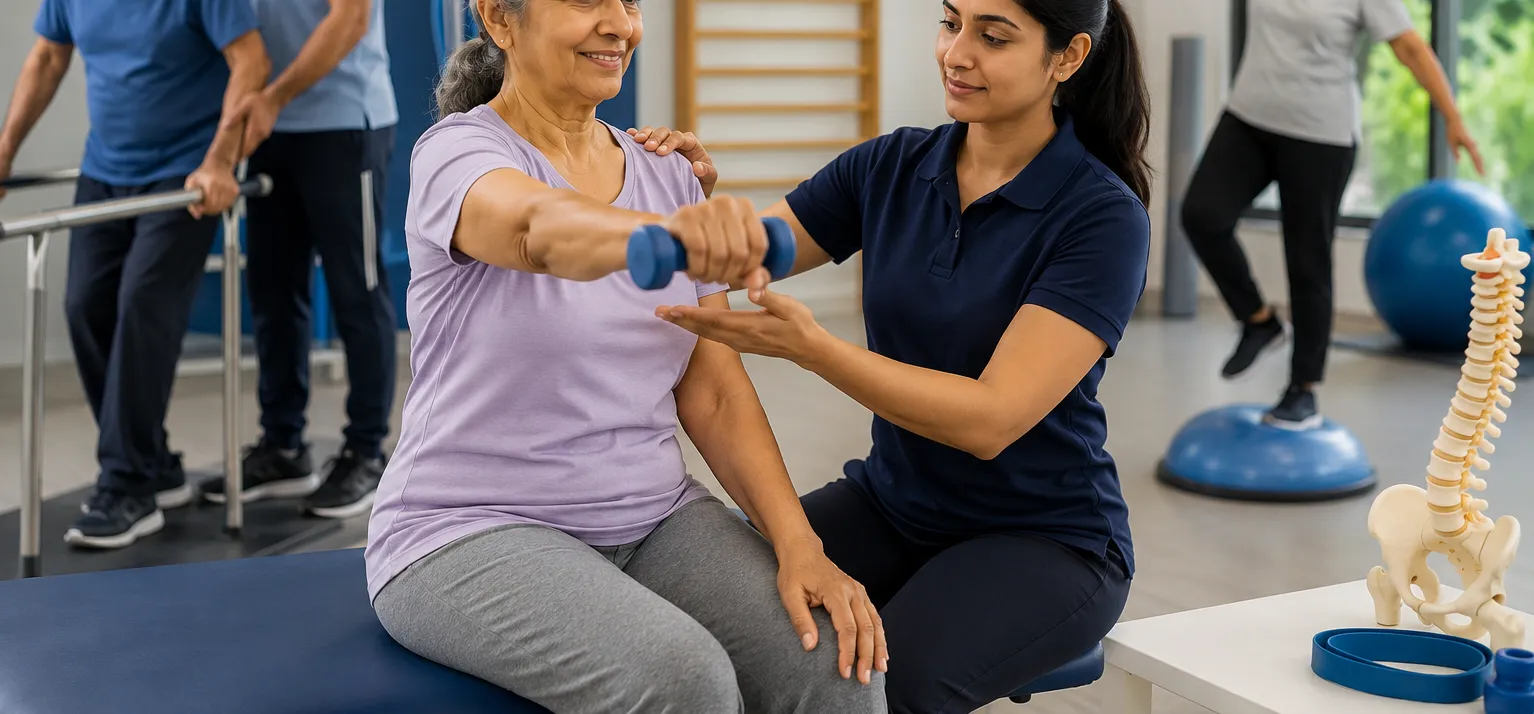
A physiotherapy programme may include:
- Progressive muscle strengthening
- Weight-bearing exercises when appropriate
- Balance and coordination activities
- Joint mobility exercises
- Postural training
- Functional movement practice
The exercises selected should reflect the person's health history, current mobility, pain levels, and physical capacity.
When Physiotherapy Assessment Can Be Helpful
Changes in movement can develop gradually. Someone may initially notice difficulty climbing stairs, standing from a low chair, walking longer distances, or maintaining balance.
Other people may require rehabilitation following a fracture or prolonged period of restricted activity.
A physiotherapy assessment can examine strength, flexibility, joint mobility, posture, balance, walking pattern, and functional movements. These findings help determine which physical limitations require attention.
Supporting Recovery After a Fracture
After a fracture has reached the appropriate stage of healing and rehabilitation has been medically advised, physiotherapy may help restore movement and strength.
The rehabilitation process can vary according to the location and severity of the injury. A person recovering from a wrist fracture will have different requirements from someone recovering from a hip or ankle fracture.
Gradual progression is important. Increasing exercise intensity before the body is ready may aggravate symptoms rather than improve function.
Bone Health During Later Life
Older adults may experience a combination of reduced muscle strength, balance changes, joint stiffness, and lower activity levels.
Appropriate strengthening and balance exercises can support everyday activities such as walking, standing, getting out of a chair, and using stairs.
Post-menopausal women may also become more attentive to maintaining bone and muscle health. Exercise programmes should consider existing health conditions and individual risk factors rather than following a generic routine.
Making Exercise Relevant to Daily Life
Good rehabilitation should have a practical purpose.
For one patient, the goal may be returning to regular walking. For another, it may be confidently climbing stairs, performing household activities, or returning to recreational exercise.
Progress is best measured by meaningful improvements in function rather than simply completing a certain number of exercises.
People experiencing persistent weakness, reduced mobility, balance problems, or difficulty returning to activity after an injury can consider a physiotherapy assessment. At N V Physiotherapy Clinic, rehabilitation can be planned around individual movement limitations and functional goals.
Keywords