Feeling unsteady while walking can reduce confidence remarkably quickly. A person who once moved independently may begin holding walls, avoiding stairs, walking more slowly, or limiting outdoor activities because they are worried about losing balance.
Balance disorders can develop for many reasons, and physiotherapy can play an important role in identifying movement-related difficulties and improving stability.
For residents of Naupada, Maharashtra, timely assessment can be particularly helpful when balance problems begin affecting everyday activities such as walking through crowded areas, climbing stairs, getting out of bed, or moving around the home.
What affects human balance
Balance is not controlled by one part of the body alone. Several systems work together continuously.
These include:
- Vision
- Inner-ear balance mechanisms
- Sensation from the feet and joints
- Muscle strength
- Joint mobility
- Coordination
- Reaction speed
The brain combines information from these systems to determine body position and make quick adjustments.
A problem affecting one component can make standing and walking less stable.
Signs that balance needs attention
Occasional unsteadiness can happen after illness or fatigue. Repeated difficulties deserve closer attention.
Common signs include:
- Frequent stumbling
- Feeling unstable when turning
- Difficulty walking in dim lighting
- Needing support while climbing stairs
- Reduced confidence outdoors
- Trouble standing with the feet close together
- Unsteadiness after getting up
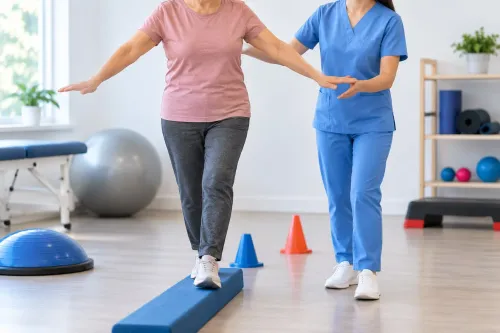
- Difficulty walking on uneven surfaces
Some people compensate without realizing it. They may widen their stance, reduce walking speed, avoid looking sideways while walking, or stop participating in activities they previously enjoyed.
How physiotherapy evaluates balance
A physiotherapy assessment looks beyond whether someone can simply stand without falling.
The therapist may assess walking pattern, lower-limb strength, reaction strategies, coordination, mobility, and the patient's ability to maintain stability under different conditions.
For example, maintaining balance on a firm surface with the eyes open is easier than walking while turning the head or standing on a less stable surface.
These different challenges can reveal which parts of the balance system need training.
What balance rehabilitation may involve
Treatment depends on the findings rather than following one standard routine.
Exercises may focus on:
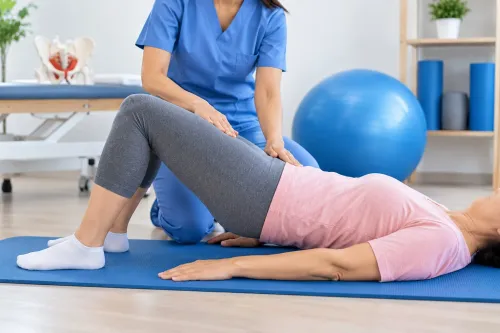
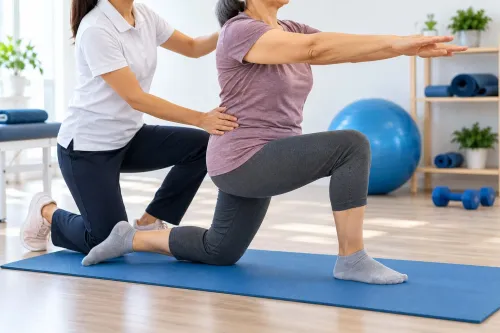
- Lower-limb strengthening
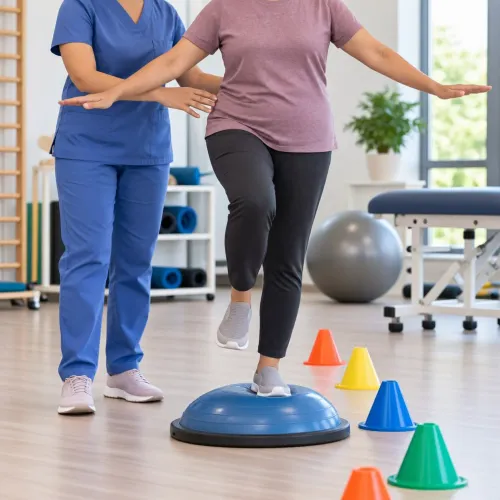
- Weight shifting
- Standing stability
- Stepping reactions
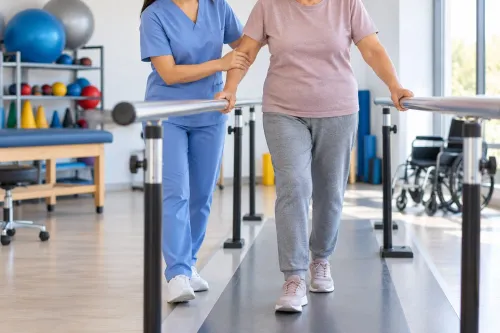
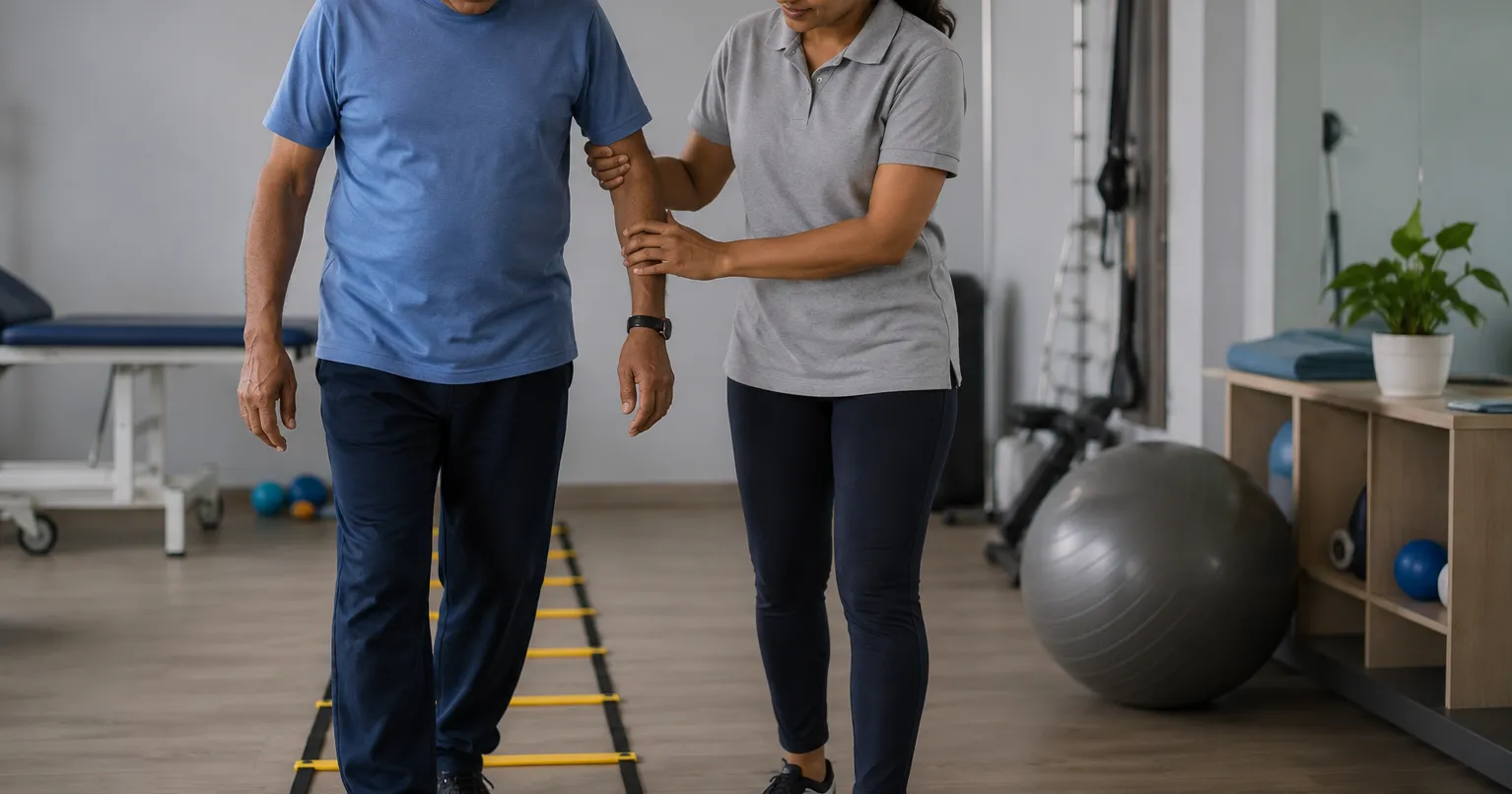
- Walking practice
- Coordination
- Direction changes
- Functional mobility
As confidence improves, exercises can gradually become more challenging.
Someone may progress from supported standing exercises to independent movement, obstacle negotiation, stair practice, and more complex walking activities.
Safety remains important during training
Balance exercises need appropriate progression.
Exercises that are too easy may provide little benefit, while tasks that are too difficult can unnecessarily increase fall risk.
The rehabilitation environment should allow controlled practice while giving patients enough challenge to improve.
N V Physiotherapy clinic can assess balance difficulties and structure exercises according to individual mobility, strength, confidence, and daily requirements.
Confidence is part of functional recovery
Balance problems often create a cycle.
A person feels unstable, becomes afraid of falling, reduces activity, loses strength, and becomes even less confident.
Gradually rebuilding movement capacity can help interrupt this pattern.
Physiotherapy does not simply aim to help someone stand longer during an exercise session. The more meaningful goal is to improve the person's ability to move safely through everyday situations.
For some patients, that means walking to nearby shops confidently. For others, it may mean managing stairs, returning to outdoor activity, or reducing dependence on family members during daily movement.
Recognising balance difficulties early provides an opportunity to address strength, coordination, mobility, and confidence before activity becomes increasingly restricted.
Keywords