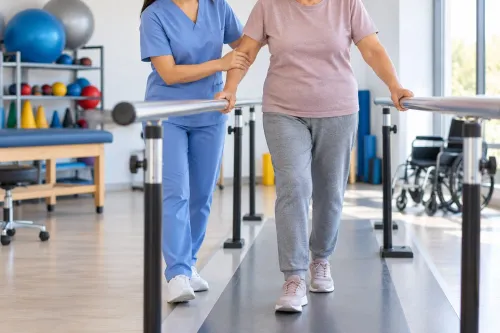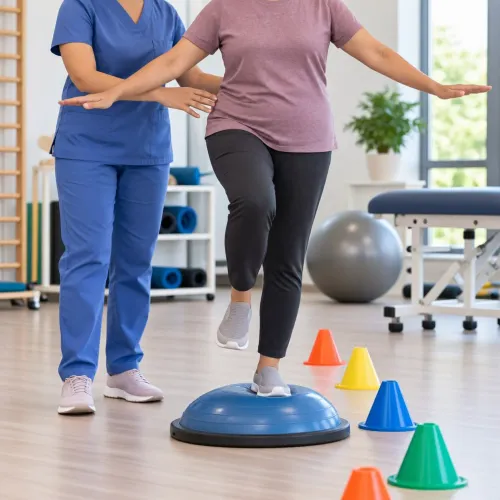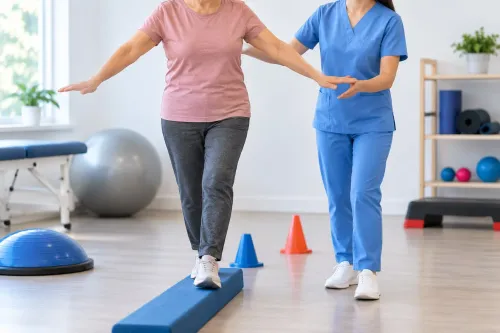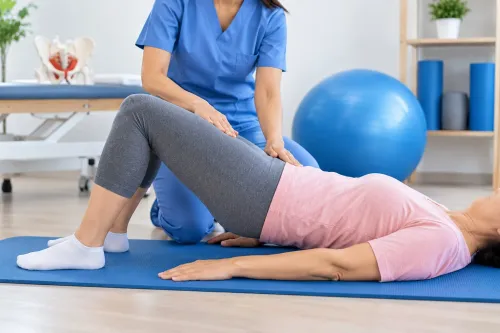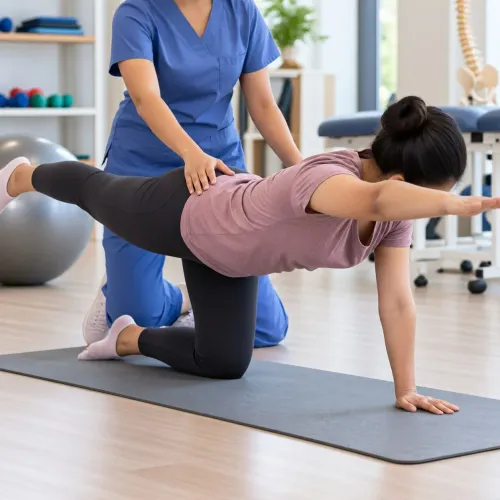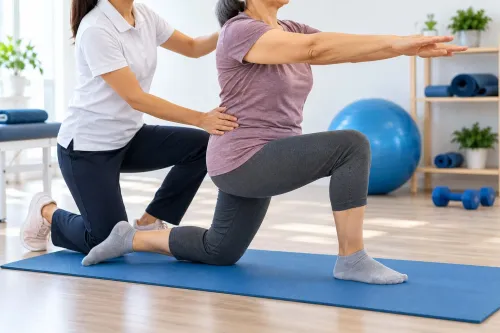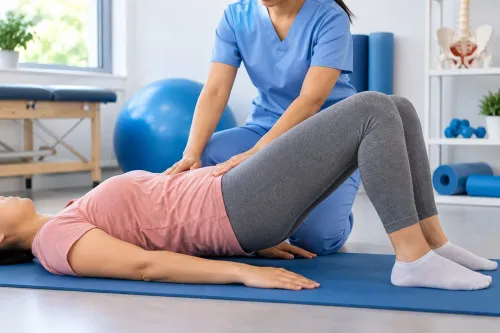
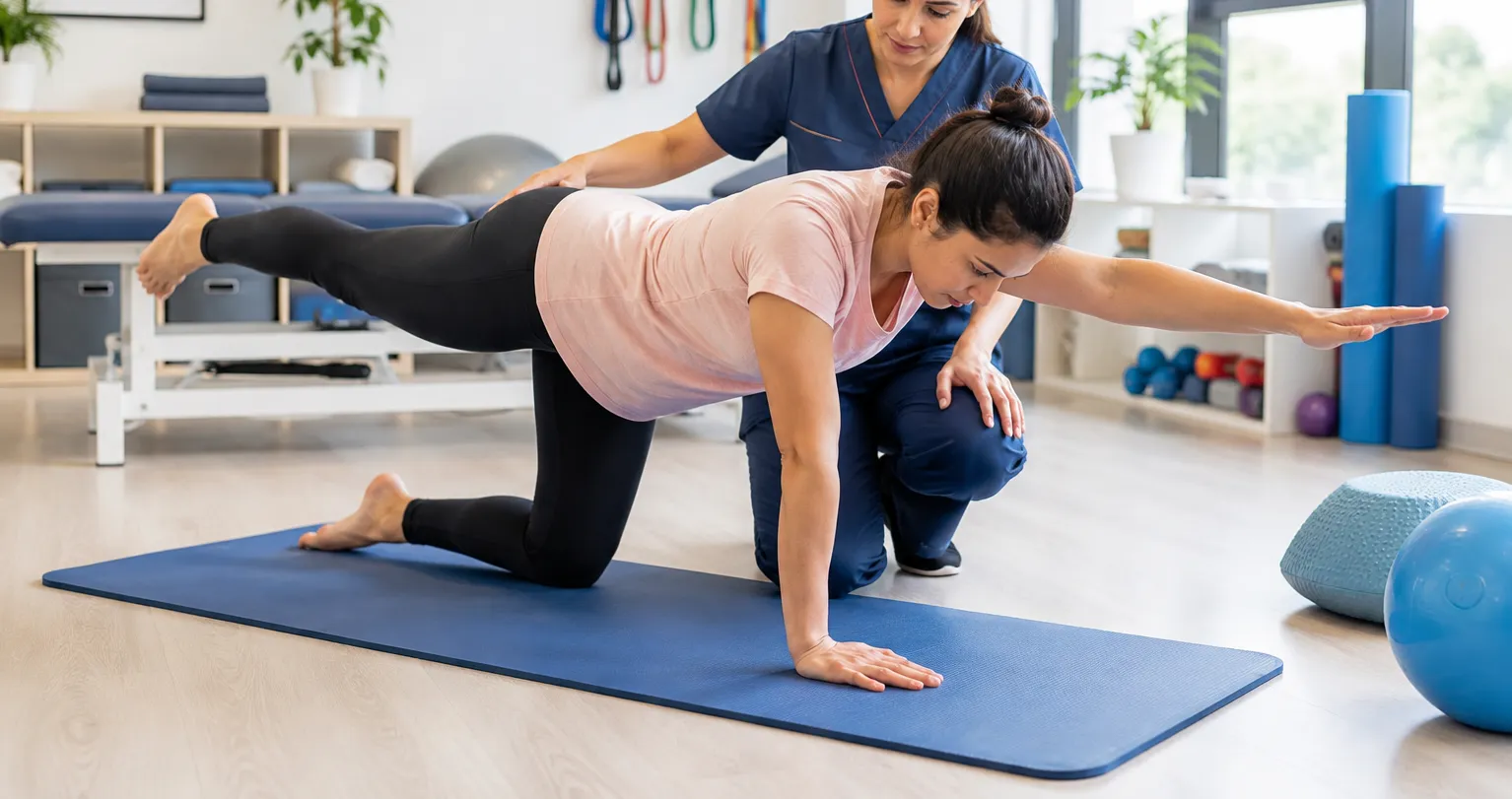
Core strength is often associated with abdominal workouts, but effective core strengthening for women involves considerably more than repeated crunches. The muscles surrounding the trunk and pelvis contribute to posture, spinal control, breathing, lifting, walking, exercise, and many everyday movements.
Women in Thane West experiencing back discomfort, reduced trunk strength, postural strain, or difficulty returning to physical activity may benefit from understanding how core training can be approached progressively.
Core Strength Is More Than Abdominal Strength
The core includes several muscle groups that work together to stabilise and move the trunk.
These muscles need to coordinate during activities such as:
- Bending
- Lifting
- Walking
- Exercising
- Getting out of bed
- Carrying household items
- Sitting for prolonged periods
Constantly tightening the abdomen is not the goal. Good muscular control involves activating the appropriate muscles when needed while allowing normal breathing and movement.
Why Women May Experience Changes in Core Function
Core function can be influenced by several factors, including prolonged inactivity, pregnancy, childbirth, pain, surgery, posture, and changes in exercise habits.
Women who spend long hours working at a desk may also develop stiffness and reduced muscular endurance.
A useful strengthening programme should therefore consider the reason behind the problem rather than treating every case identically.
Start With Control Before Increasing Difficulty
Advanced exercises are not automatically better.
Someone who struggles to control basic trunk movements may benefit from starting with simpler exercises and progressing as strength and coordination improve.
Early exercises may focus on breathing, pelvic positioning, controlled limb movements, and maintaining trunk stability.
Resistance and more challenging movements can then be introduced according to ability.
Connect Core Training With Everyday Activities
The purpose of strengthening is to improve function.
A programme may be designed around activities such as lifting a child, returning to gym training, sitting more comfortably during work, performing household tasks, or gradually resuming recreational exercise.
This makes rehabilitation more relevant than completing exercises without a clear functional purpose.
Consider the Pelvic Floor
For some women, core rehabilitation also needs to consider pelvic floor function.
The abdominal muscles, breathing system, and pelvic floor interact during movement and changes in internal pressure. This becomes particularly relevant after childbirth and for women experiencing urinary leakage or pelvic health concerns.
N V Physiotherapy Clinic provides assessment-based physiotherapy for women with different rehabilitation requirements. The exercise programme can be adjusted according to symptoms, movement quality, strength, and individual goals.
Progress at the Right Pace
Strength develops gradually.
Increasing repetitions, resistance, or exercise complexity should occur when basic movements can be performed comfortably and with appropriate control.
Pain should not automatically be treated as evidence that an exercise is working. Persistent or increasing symptoms may indicate that technique, exercise selection, or load needs to be reviewed.
Core strengthening is most useful when it supports real movement. Women experiencing persistent back discomfort, weakness, postural problems, or difficulty returning to exercise can consider physiotherapy assessment to identify the areas that require attention and establish an appropriate progression plan.
Keywords